
Assess
Identify the learner’s current level and immediate needs.

Structured online learning
A clear learning approach for Quran, Arabic and Islamic Studies, built around live teaching, guided practice, correction and steady review.
We begin from the learner’s current level, focus on one clear objective at a time, practise it live with the teacher, correct errors as they appear, and revisit the skill until it becomes more stable. The pace can be adjusted to the learner’s age, level and response.
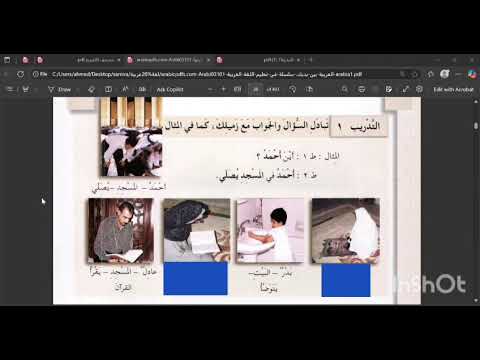
Effective teaching starts by understanding what the learner can already do and where support is needed. Lessons can then begin from an appropriate point instead of repeating material unnecessarily or moving ahead too quickly.
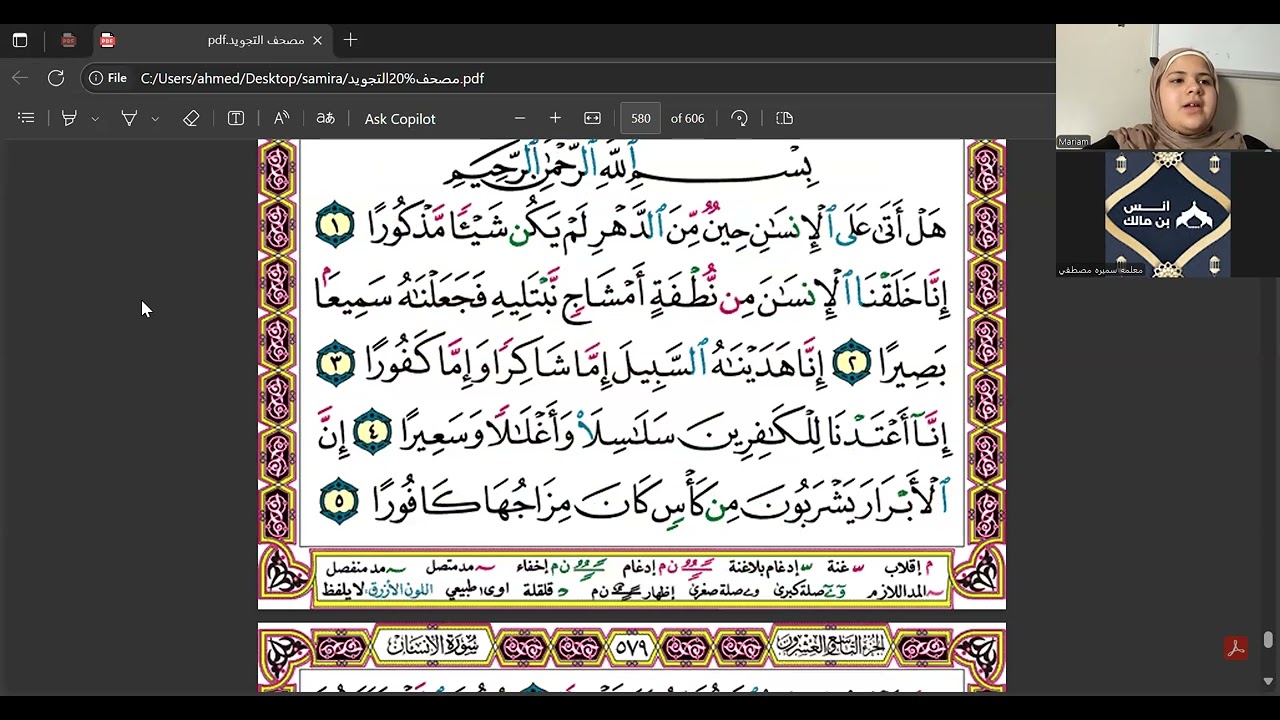
The teacher explains the target skill, demonstrates it clearly and gives the learner time to apply it during the lesson. This keeps the student involved rather than turning the class into passive listening.
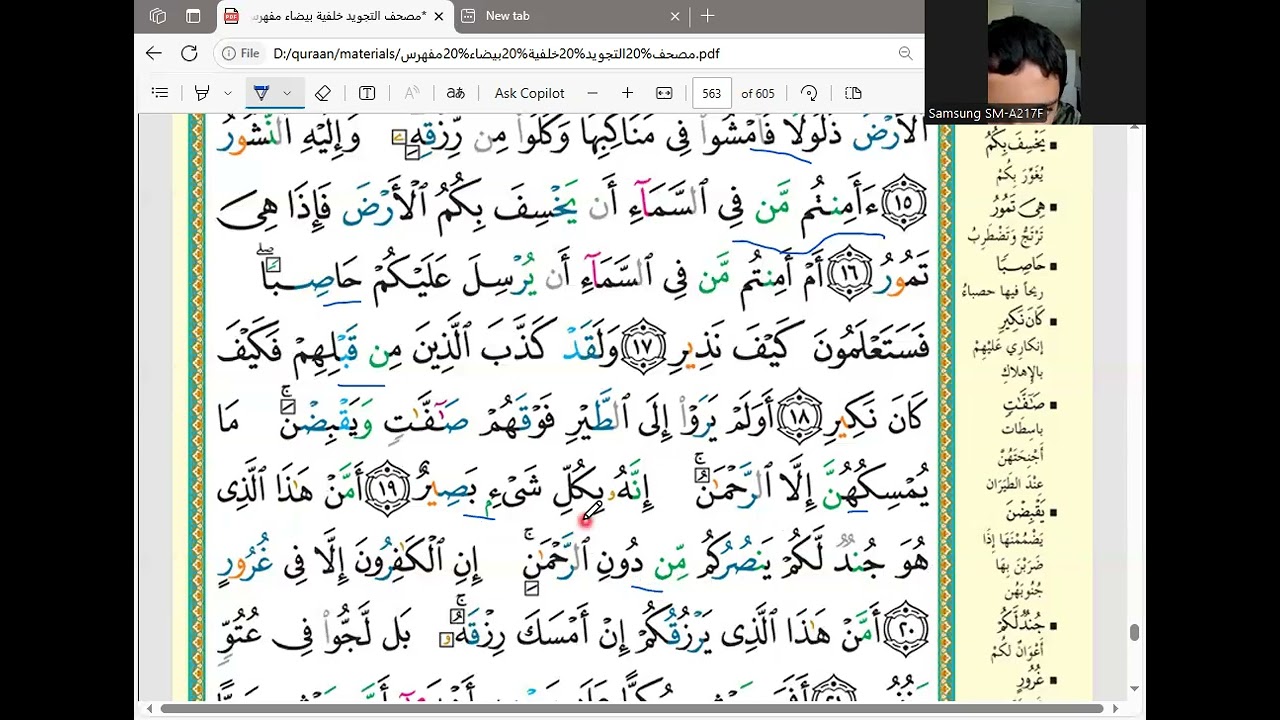
Mistakes are treated as part of learning. The teacher identifies the point that needs correction, models the correct form and gives the learner another opportunity to practise. Previous skills are revisited so new learning is built on a stronger base.
The exact lesson changes by subject and level, but the teaching process follows a clear educational sequence.
Identify the learner’s current level and immediate needs.
Introduce a focused objective in a clear and manageable way.
Apply the new skill with live teacher guidance.
Correct errors, reinforce learning and decide the next step.
These educational episodes give visitors a practical look at the academy’s online teaching environment alongside the explanation of our learning method.
An educational episode from Anas Bin Malik Academy, included here as a practical example of the online teaching environment.
A second educational episode showing a practical learning example from the academy’s teaching content.
Another educational lesson example to help learners and parents understand the academy’s teaching environment.
Recitation work can focus on reading accuracy, pronunciation, Tajweed, memorisation and revision according to the learner’s level.
Arabic learning can combine reading, vocabulary, sentence understanding and gradual language use instead of treating each skill in isolation.
Islamic Studies lessons can present concepts in a structured, age-appropriate way with explanation, questions and practical understanding.
The academy’s learning model includes live online teaching so the learner can receive explanation, practise and correction during the lesson.
The learner’s current ability is considered first so teaching can begin from an appropriate point rather than using exactly the same starting point for everyone.
Yes. The pace can be adjusted according to age, level, response and the skill being studied.
The teacher identifies the mistake, demonstrates the correct form and gives the learner another opportunity to practise it.
The overall cycle is consistent, but the activities and practice change between Quran, Arabic and Islamic Studies.
Explore the academy’s programmes or speak with us about the most suitable starting point for the learner.
Leave your details and the academy team can contact you about the most suitable learning option.